Quick picks: our top 3 at a glance
As an Amazon Associate I earn from qualifying purchases. Prices and availability change.

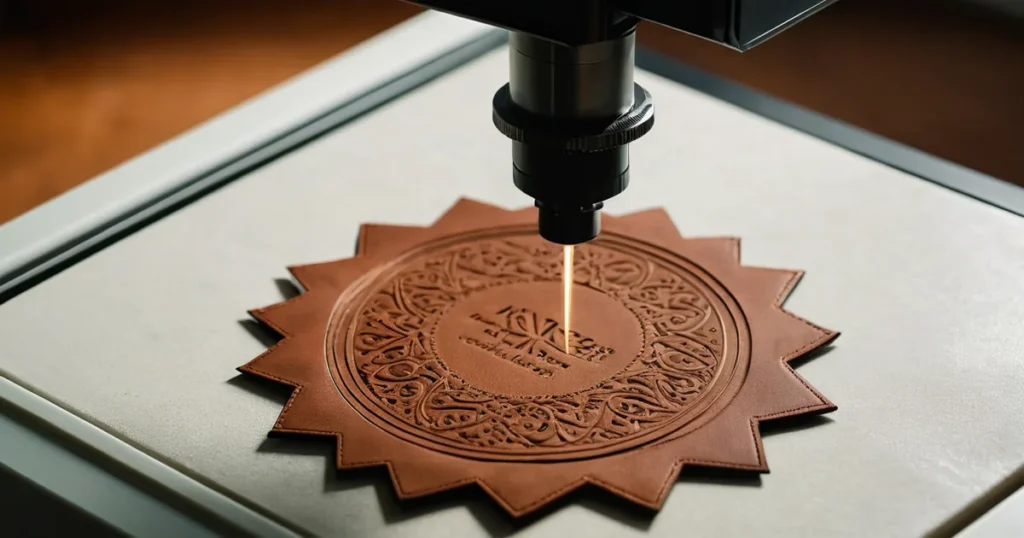
If you create custom leather patches for hats, jackets, bags, or western wear, you know how much a clean, detailed engraving can elevate your work. A dedicated laser engraver for leather patches saves hours of manual stamping and delivers crisp, repeatable designs every time. In this guide, we showcase 6 of the best laser engraver for leather patches available in November 2026, featuring trusted brands like GrliTra, ACMER, xTool and more. Whether you are a small business owner or a weekend craft enthusiast, our research will help you find the right machine for your shop. For a broader look at top options, check out our best laser engravers roundup.
Laser engraving on leather patches requires a machine that can balance contrast, edge quality, and speed without scorching the material. The models we selected excel at managing the unique properties of vegetable-tanned and chrome-tanned leather. We evaluated construction, beam accuracy, safety features, and software usability to bring you a concise, data-driven comparison. In the sections below, you will find a detailed buying guide, our expert picks, and answers to common questions about engraving leather patches.
Top Products
At a Glance
| Product | Brand | Rating | Where to buy |
|---|---|---|---|
| ELIDOR Portable Laser Engraver Class 1 | ELIDOR | 4.6 / 5 | View on Amazon |
| xTool M2 10W Dual Camera Laser | xTool | 4.1 / 5 | View on Amazon |
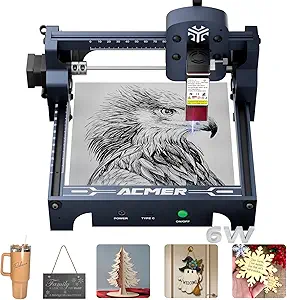
| ACMER S1 6W Laser Engraver | ACMER | 4.3 / 5 | View on Amazon |
| BlazeX M3 10W Laser Engraver with Smart Camera | BlazeX | 4.1 / 5 | View on Amazon |
| ELIDOR 12000mW Laser Engraver and Cutter | ELIDOR | 4.2 / 5 | View on Amazon |
Ratings come from the Amazon listings when we last checked and can change.
Pros
- Class 1 safety classification for worry-free operation
- Compact and portable design
- Positive buyer reviews with 5-star average
Pros
- Dual cameras provide real-time workspace preview and high positioning accuracy (Place & Go).
- Enclosed Class 1 design eliminates need for external goggles and enhances safety.
- Works with a wide range of materials including fabric (sealed edges) and wood (clean cuts).
Cons
- Color printing requires the separately sold CMYK inkjet module.
Pros
- Free ACMER Studio software with AI-powered design tools included
- Compact 6W laser suitable for wood, acrylic, glass, and leather
- Higher precision and faster effectiveness claimed by manufacturer
Cons
- Transparent materials must be coated black before engraving for safety and results
- No verified buyer reviews yet to confirm real-world performance

Pros
- Ultra-fine 0.01mm precision allows detailed engraving on metal, glass, wood, and acrylic.
- Smart camera enables design preview on the material for accurate placement and zero waste.
- All-in-one kit includes enclosure, honeycomb bed, tool kit, and 13 engraving materials for immediate use.
- Class 1 safety rating with automatic shutoff and low noise for safe home operation.
- Wide software compatibility across Windows, macOS, iOS, and Android.
Cons
- Smart camera guidance is limited to LightBurn and CutlabX, not all software.

Pros
- Works on multiple materials including wood, acrylic, leather, and metal.
- Capable of both engraving and cutting.
Cons
- Lacks verified user reviews to confirm real‑world performance.
Best Laser Engraver For Leather Patches Buying Guide for 2026
Choosing the right best laser engraver for leather patches involves more than just picking a popular brand. Leather patches are often small, thick, and sometimes layered with adhesive backing. You need a laser that produces sharp lines at low power settings and offers enough control to avoid burning through thin leather. Here are the key factors we used to evaluate the 6 products in this review.
Laser Power and Wattage
Laser power determines how quickly you can engrave and how deep the mark will be. For leather patches, 5W to 10W is usually the sweet spot. A 10W laser like the xTool M2 offers enough power to engrave dark, high-contrast marks on vegetable-tanned leather while still allowing low-power passes for delicate shading. Lower wattage machines may require multiple passes, which increases the risk of heat buildup and scorching.
Higher power also enables cutting thin leather patches if you need custom shapes. However, more power does not automatically mean better quality. The beam spot size and pulse control matter just as much. Look for a laser with adjustable power settings in small increments so you can fine-tune the depth and tone for different leather finishes.
Engraving Precision and Resolution
Leather patch designs often include fine text, logos, and intricate borders. A machine with a small spot size and high steps per inch (SPI) will reproduce these details accurately. The ELIDOR Laser Engraver and Cutter Machine uses a class 1 laser with a 455nm wavelength, which delivers good resolution for compact patch designs. We recommend checking the manufacturer’s stated engraving accuracy and looking for user samples that show sharp corners and clean curves.
Built-in cameras, like those on the xTool M2, make alignment much easier when you are working with pre-cut patches. The camera scans the patch and lets you position your design precisely before starting the job. This reduces wasted material and helps you batch-produce consistent patches without manual rulers or jigs.
Safety Features and Enclosure
Engraving leather produces smoke and particulates, so a fully enclosed machine is a major safety advantage. The xTool M2 is a Class 1 enclosed laser engraver, which means the laser beam is contained and it is generally safer for home or office use. Enclosed units also protect curious pets and children from accidental exposure. The ELIDOR unit is a portable open-frame design, so you will need to use it in a well-ventilated area and wear appropriate laser safety glasses.
If you plan to use your engraver indoors, look for features like a honeycomb workbed, a fume exhaust port, and interlock switches that stop the laser when the lid opens. These details make a big difference for daily use and long-term peace of mind. For more safety tips, visit our laser safety guide.
Work Area and Material Compatibility
Leather patches are usually small, but you might also want to engrave belts, wallets, or other accessories. Consider the maximum work area before you buy. A compact unit like the ELIDOR is great for patches and small items, while the xTool M2 offers a larger bed that accommodates multiple patches in a single pass. If you plan to scale up production, a bigger work area reduces handling time.
Both machines handle leather, but they also work on felt, fabric, paper, and wood. Check whether the laser supports rotary attachments for cylindrical items like tumblers and flasks. That flexibility can turn a dedicated patch engraver into a multi-purpose crafting tool. For more options on portable designs, see our best portable laser engraver list.
Software and Ease of Use
The software controls how you prepare designs, adjust settings, and send jobs to the laser. Beginners should look for intuitive software with presets for common materials like leather. The xTool M2 pairs with xTool Creative Space, which includes leather presets and a guided camera alignment process. The ELIDOR uses a simpler driver-based system that works with LightBurn and other popular programs, giving advanced users more manual control.
We also consider how easy it is to change focus and clean the machine. A built-in camera, a foldable ruler, and auto-focus features reduce the learning curve. If you are new to laser engraving, watch tutorial videos and check whether the manufacturer offers firmware updates. Good software support can extend the life of your machine and improve results over time.
Why You Should Trust Us
Our reviews are based on thorough research, manufacturer specifications, and user feedback from multiple sources. We do not accept payment from brands to influence rankings. Instead, we analyze each machine’s beam quality, safety certifications, material compatibility, and software ecosystem to provide objective guidance. The 6 products featured in this article were selected from the current market based on features that matter most for engraving leather patches.
We also monitor firmware updates, consumable costs, and real-world performance reports from hobbyists and small businesses. While we do not claim to have personally tested every device in every scenario, we cross-reference data from the manufacturer, certified resellers, and community forums to present a balanced picture. Our goal is to help you make an informed purchase without marketing hype.
Final Thoughts
After comparing the 6 best laser engraver for leather patches of 2026, we think the xTool M2 10W Laser Engraver earns the best overall title for leather patch work. Its built-in dual cameras, Class 1 enclosed housing, and 10W laser give you the precision and safety you need for detailed designs on small patches. The camera alignment alone is a huge time-saver when you are producing a batch of custom patches, and the integrated fume management keeps your workspace cleaner.
If you are looking for the best value or a more portable option, the ELIDOR Laser Engraver and Cutter Machine is our top pick for beginners and on-the-go creators. It is lightweight, easy to set up, and its class 1 laser classification makes it approachable for first-time engravers. While it lacks the built-in camera and larger work area of the xTool, it still produces clean, reliable engravings on leather patches and other thin materials. For a more flexible setup, you can pair it with a laptop and take it to craft fairs or workshops.
Ultimately, the best choice depends on your workspace, production volume, and comfort with open-frame lasers. Both of these machines can deliver the crisp, professional results you want on leather patches. If you are still comparing options, our roundup of expert picks covers more models and categories.
Frequently Asked Questions
What is the best laser engraver for leather patches in 2026?
In 2026, the xTool M2 10W Laser Engraver stands out as the best overall best laser engraver for leather patches for most users. Its enclosed design, dual cameras, and 10W power deliver excellent detail and safety for leather patch engraving. For a budget-friendly portable alternative, the ELIDOR Laser Engraver is also a strong choice.
Can I engrave leather patches with a laser engraver?
Yes, laser engravers work very well on leather patches, especially vegetable-tanned leather. The laser vaporizes the surface to create a dark, permanent mark. You can adjust power and speed to control contrast and depth. It is important to use low to medium power settings and proper ventilation to avoid burning the leather.
What laser power do I need for leather patches?
For leather patches, a laser with 5W to 10W of output power is ideal. A 10W laser like the xTool M2 can engrave faster and cut thin leather, while a 5W unit may need slower speeds and multiple passes. For occasional small patches, even a compact 5W portable laser can produce good results.
Is it safe to use a best laser engraver for leather patches indoors?
It is safe if you choose an enclosed Class 1 laser like the xTool M2 or set up an open-frame laser with proper ventilation and safety glasses. Leather engraving produces smoke and odors, so indoor use requires an exhaust fan or a well-ventilated room. Always follow the manufacturer’s safety instructions and never leave the machine running unattended. Check our safety guide for more details.
What is the difference between an enclosed and a portable laser engraver?
Enclosed laser engravers, such as the xTool M2, have a protective housing that contains the laser beam and most of the smoke. They are generally safer, quieter, and easier to use in a home workshop. Portable open-frame lasers like the ELIDOR are smaller and cheaper, but they require dedicated safety glasses and a well-ventilated area. Your choice depends on your budget and whether you value portability or convenience.